By Amirhossein Aldavood (R.Ac)
Reading time: 4–5 minutes
People often try to separate beauty from health.
But honestly… the body rarely separates them as completely as people think.
Stress appears on the face.
Poor sleep changes the eyes.
Exhaustion affects the skin.
Recovery affects freshness.
Emotional pressure changes expression.
And over time, the body quietly begins reflecting internal balance externally too.
SUMMARY
Beauty and visible appearance are often influenced by sleep quality, circulation, digestion, hydration, stress regulation, emotional balance, recovery, nervous-system regulation, lifestyle habits, and long-term body maintenance. This article explores how healthy appearance may gradually reflect deeper internal body balance over time.
The Body Constantly Reveals Internal Patterns
The body quietly reflects:
- stress
- recovery
- digestion
- hydration
- sleep quality
- emotional exhaustion
- nervous-system balance
- circulation
- and long-term lifestyle habits
through visible appearance every day.
And honestly… many people recognize these changes intuitively long before they fully understand them medically.
Beauty Is Deeply Connected To Recovery
Many people focus heavily on:
- skincare
- makeup
- cosmetic treatments
- anti-aging products
- and beauty routines
while overlooking how strongly:
- sleep
- nervous-system recovery
- stress balance
- hydration
- emotional regulation
- and circulation
may influence visible appearance itself.
Because the body often looks different when it is physically and emotionally exhausted.
Stress Quietly Changes Appearance
Chronic stress may influence:
- wrinkles
- skin tone
- inflammation
- breakouts
- facial tension
- puffiness
- hair quality
- eye appearance
- and visible aging
much more deeply than many people realize.
Which may explain why some people suddenly appear older during stressful life periods even without major changes in age itself.
Healthy Appearance Usually Looks Natural
One of the biggest shifts happening in modern beauty culture is that many people are moving away from heavily artificial appearance.
Increasingly, people are drawn toward:
- natural freshness
- healthy-looking skin
- calm facial appearance
- healthy hair
- visible vitality
- balanced features
- and sustainable beauty
because visible wellness often feels more attractive than excessive cosmetic correction.
The Face Often Reflects Emotional Balance Too
People often underestimate how strongly emotional states may influence appearance.
But honestly… calmness, sleep quality, emotional stability, stress regulation, confidence, and recovery often become visible on the face itself over time.
Which may explain why some people appear:
- calmer
- lighter
- fresher
- softer
- healthier
- and naturally more attractive
even without dramatic cosmetic procedures.
Beauty Maintenance Is Often A Lifestyle
Healthy appearance rarely comes from one temporary intervention alone.
Often it gradually reflects:
- sleep habits
- hydration
- movement
- nourishment
- circulation
- stress regulation
- recovery
- skincare consistency
- emotional balance
- and long-term lifestyle maintenance
maintained over years.
Because beauty often reflects how sustainably the body is functioning internally too.
Internal Balance Often Becomes Visible Externally
The body rarely hides imbalance forever.
Eventually:
- fatigue
- stress
- poor recovery
- inflammation
- nervous-system overload
- burnout
- poor sleep
- and unhealthy routines
often become physically visible too.
And honestly… this may be why beauty and wellness are often much more connected than modern cosmetic culture sometimes admits.
Continue Reading ?
👉 Natural Beauty With Traditional Chinese Medicine
Traditional Chinese Medicine has historically approached beauty, skin quality, hair vitality, circulation, recovery, stress regulation, and healthy appearance through broader interconnected body systems rather than focusing only on surface-level cosmetic correction.
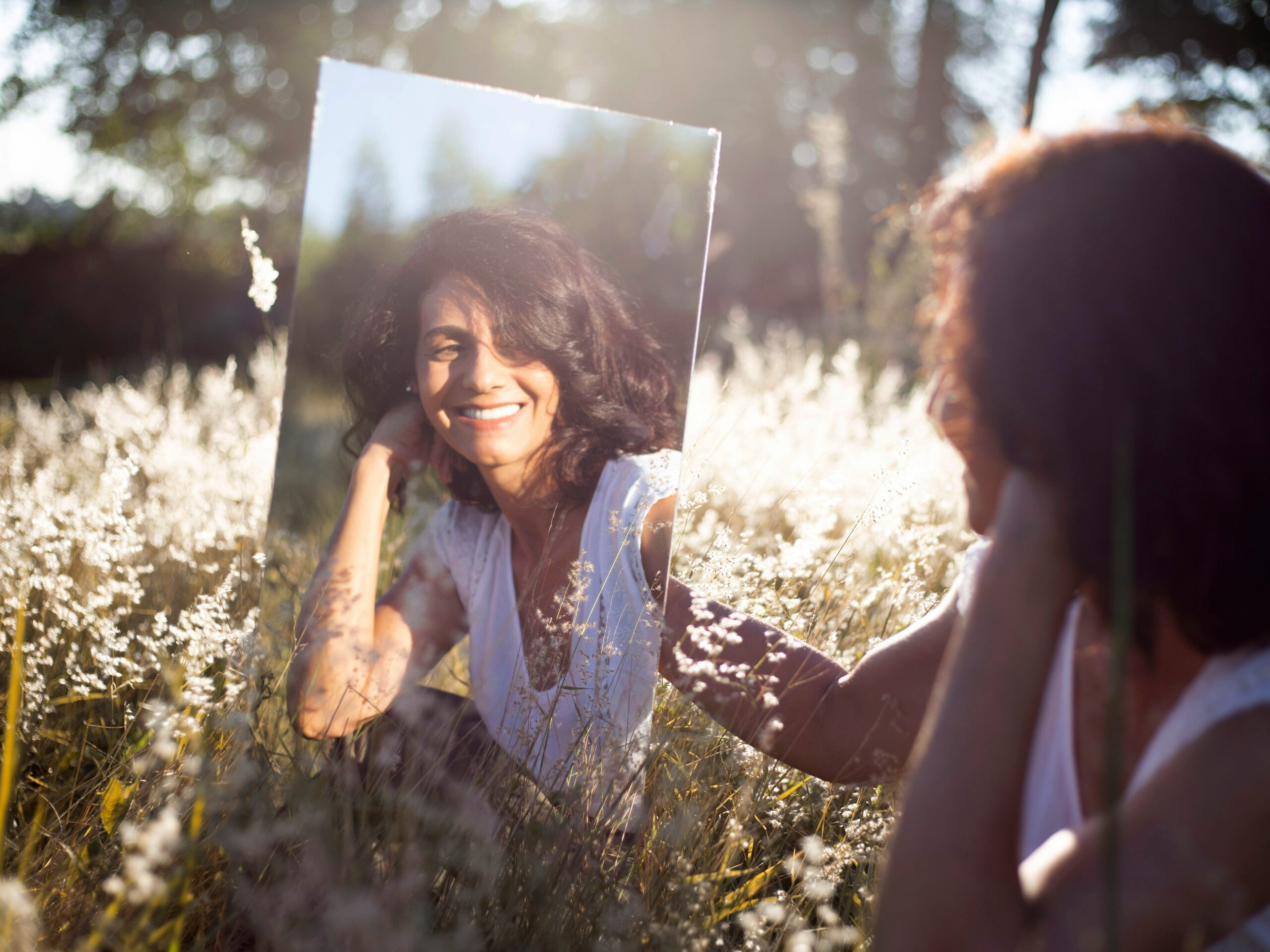
Photo by Caroline Veronez on Unsplash
© 2026 Aldavood Pediatric TCM Clinic — Original educational content and frameworks developed by Amirhossein Aldavood (.R.Ac). All rights reserved.