Understanding the Basics of Traditional Chinese Medicine (TCM)
Author: Amirhossein Aldavood
Reading time: 3–4 min
Introduction
Traditional Chinese Medicine (TCM) uses a different way of understanding the body.
Instead of focusing only on separate symptoms, it looks at patterns, balance, energy, and connection.
Three of the most important foundations in TCM are Yin and Yang, Qi, and the meridian system.
Together, these ideas help explain how the body functions as a whole.
Yin & Yang — Balance in Your Child’s Body
In Traditional Chinese Medicine, health is often understood as a balance between two opposite yet connected forces: Yin and Yang.
Yin represents rest, cooling, nourishment, and stillness.
Yang represents activity, warmth, movement, and outward energy.
A healthy child naturally moves between these two states.
Active play and alertness during the day reflect Yang.
Calmness, rest, and sleep at night reflect Yin.
When this balance is disrupted, certain patterns may appear.
A child who is constantly restless, has difficulty settling down, or struggles to sleep may show signs of excess Yang or insufficient Yin.
A child who is unusually low in energy, slow to engage, or withdrawn may reflect low Yang energy.
In TCM, the focus is not on labeling the behavior, but on understanding the balance behind it.
Qi — The Body’s Functional Energy
Qi (pronounced “chee”) is often translated as energy but it is not the whole concept. There is something more.
In TCM, it more accurately refers to the body’s functional activity—how well different systems are working together.
Qi is involved in all of the everyday functions.
- Movement, both physical and internal.
- Digestion and transformation of food.
- Focus, responsiveness, and interaction.
In children, Qi is still developing, which means it can be more easily affected by stress, routine changes, fatigue, or weakness.
For example:
A child who gets tired quickly, has poor appetite, or low engagement may have weak Qi.
A child who is constantly on the move, impulsive, or unable to pause may have Qi that is not well regulated or contained.
Rather than seeing these as isolated issues, TCM views them as different expressions of how Qi is functioning.
Meridians — Pathways of Connection
In TCM, the body is understood as an interconnected system.
This connection is maintained through pathways called meridians.
Meridians are not visible structures like blood vessels.
They are functional pathways that describe how different systems communicate and coordinate.
Each meridian is associated with specific functions. For example :
- Liver meridian relates to flow, flexibility, and emotional regulation.
- Spleen meridian relates to digestion, energy production, and focus.
- Heart meridian relates to calmness, sleep, and emotional steadiness.
When these pathways are not functioning smoothly, signs may appear in more than one area at the same time.
For example:
A child with poor digestion, low energy, and difficulty concentrating may reflect imbalance in the Spleen system, even though the symptoms seem unrelated.
A Simple Way to Look at It
Instead of focusing only on separate symptoms, TCM looks at patterns.
- Is the child more active or more withdrawn?
- This reflects Yin and Yang balance.
- Is their energy strong, weak, or unregulated?
- This reflects Qi.
- How are different functions connected?
- This reflects the meridian system.
Conclusion
This way of thinking helps us understand the child as a whole person, not simply a list of behaviors.
That whole-system perspective is one of the reasons Traditional Chinese Medicine continues to remain relevant today.
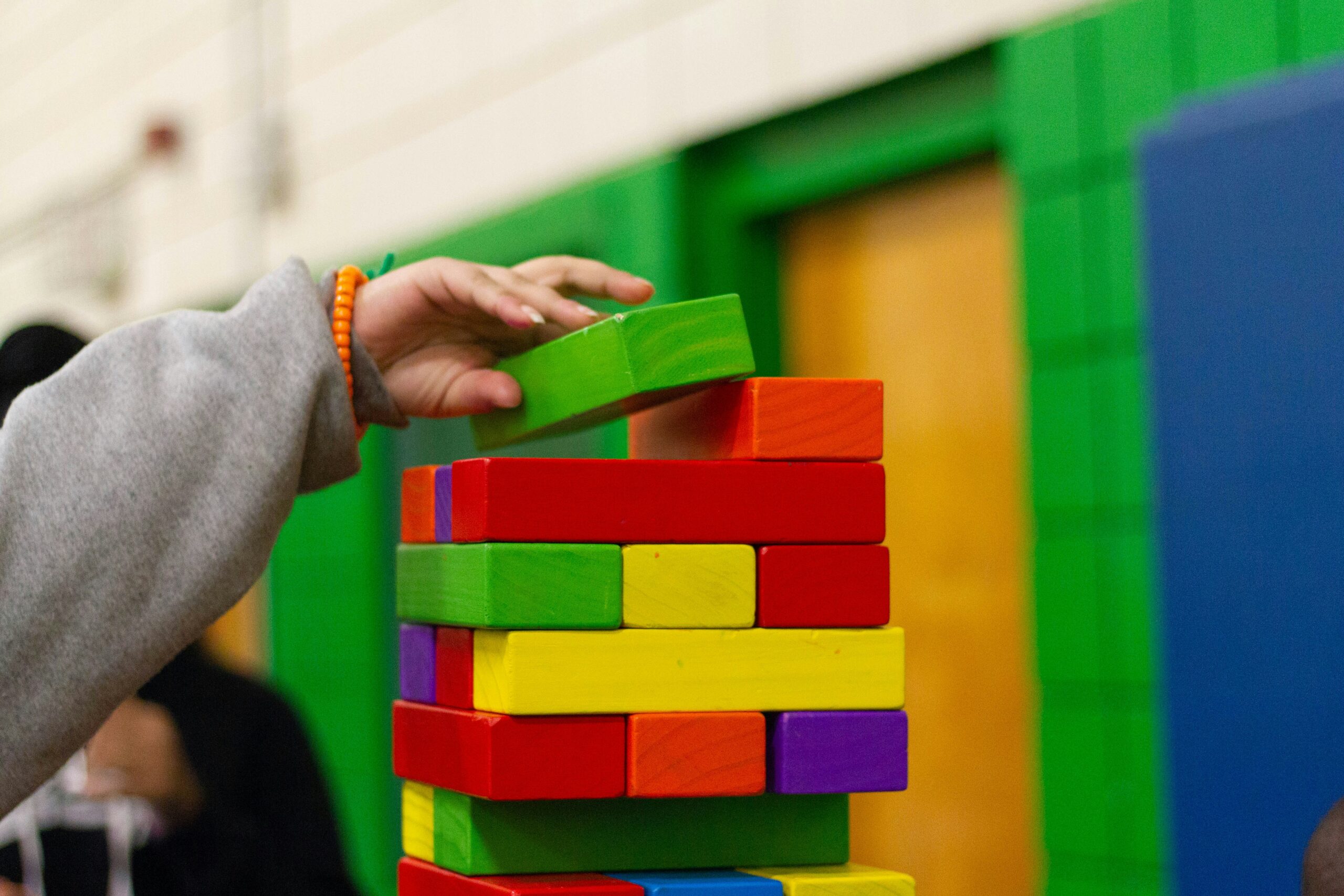
Photo by La-Rel Easter on Unsplash
Leave a Reply