By Amirhossein Aldavood
Reading time: 4–5 minutes
At some point, many people stop asking for relief.
What they truly want is balance.
Not another temporary break.
Not one good weekend followed by another exhausting week.
Not simply surviving responsibilities while feeling emotionally and physically drained underneath.
They want to feel like themselves again.
Calm again.
Present again.
And for many people, that desire appears after carrying stress, pressure, emotional tension, and internal overload for far too long.
ABSTRACT
Stress and burnout often develop gradually over time, affecting both the body and emotional well-being. This article explores how chronic overload can disconnect people from a sense of internal balance, and why a more holistic approach may help support deeper restoration rather than temporary symptom relief alone.
When Survival Mode Becomes Normal
Human beings can adapt to an incredible amount of pressure.
Responsibilities grow. Emotional burdens accumulate. Sleep becomes lighter. Recovery becomes shorter.
And slowly, survival mode starts feeling normal.
Many people continue functioning during this process. They work, care for others, meet obligations, and keep moving forward.
But internally, something begins wearing down.
The body remains tense.
The nervous system remains alert.
And emotional exhaustion quietly becomes part of daily life.
The Body Often Carries What Words Cannot
Not every form of stress is spoken openly.
Sometimes the body carries what the mind has been trying to manage silently for years.
A constant heaviness in the chest.
Tightness in the shoulders.
Digestive discomfort.
Fatigue that rest never fully resolves.
The feeling of always being “on,” even during quiet moments.
From a holistic perspective, these experiences are not separate problems.
They are often connected expressions of a system that has been overloaded for too long.
Balance Is More Than Symptom Relief
For many people, the goal eventually changes.
At first, they simply want symptoms to stop.
But over time, they begin wanting something deeper:
Better sleep.
More emotional steadiness.
Less tension in the body.
The ability to feel calm without forcing it.
The ability to rest without guilt.
The ability to wake up without already feeling exhausted.
This is where a more holistic understanding becomes meaningful.
Traditional Chinese Medicine approaches health not only as the absence of symptoms, but as the presence of internal balance, regulation, and resilience within the whole person.
Sometimes Healing Begins with Feeling Understood
One of the most exhausting parts of long-term stress is feeling disconnected from yourself.
As if your body has been carrying too much for too long without fully recovering.
A holistic approach does not promise a perfect life without stress.
But it may offer something many people deeply need:
A different way of understanding what their body has been experiencing.
And sometimes, feeling understood differently is where the process of healing truly begins.
Next article…
If stress, tension, exhaustion, or emotional overload have started affecting how you sleep, recover, function, or feel in daily life, a more holistic and pattern-based perspective may help you better understand what your body has been trying to carry for so long.
The goal is not simply to suppress symptoms, but to support the body toward better balance, regulation, and restoration over time.
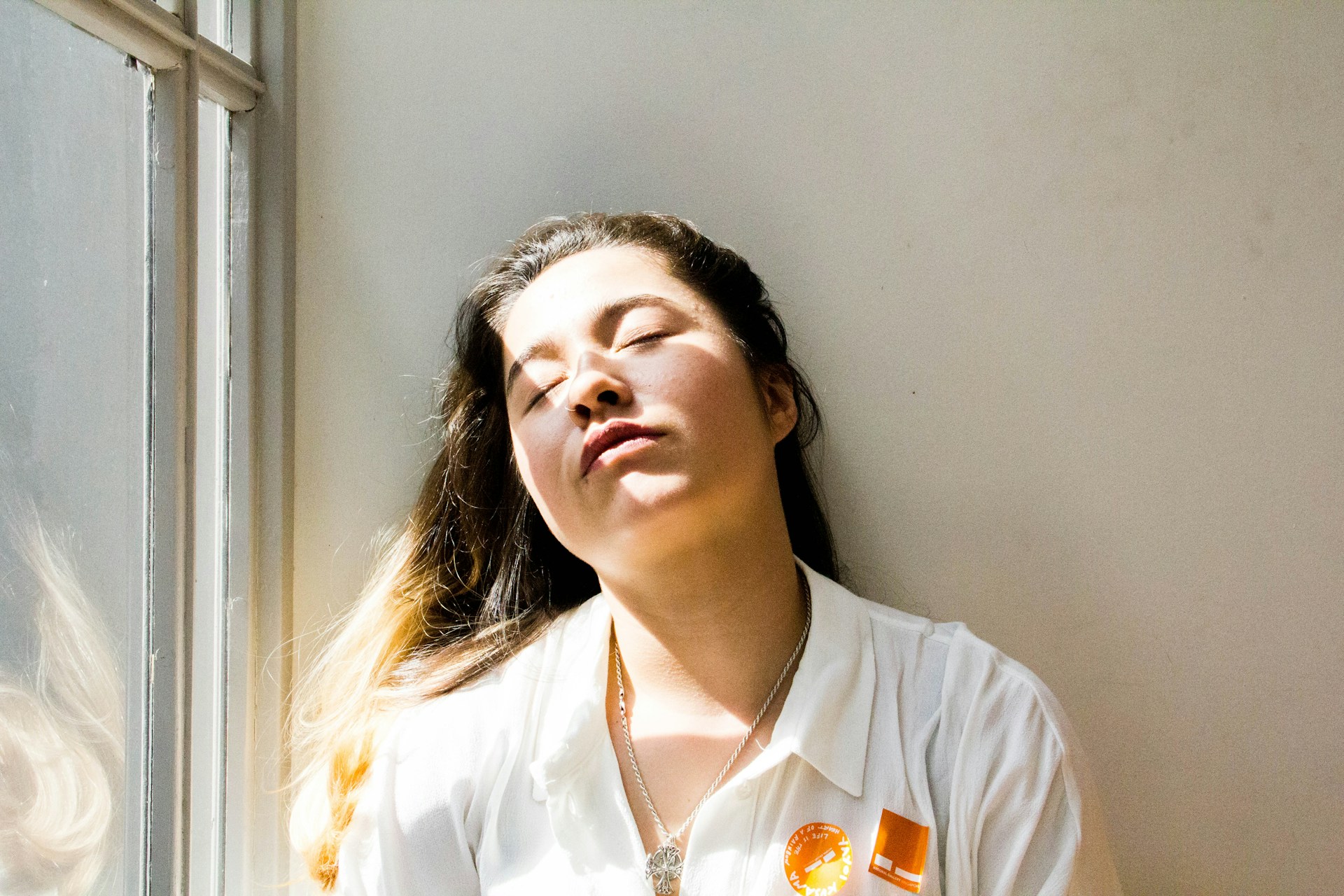
Photo by Stacey Koenitz on Unsplash
Leave a Reply