By Amirhossein Aldavood (R.Ac)
Reading time: 6–7 minutes
After living under stress for long enough, many people begin realizing something important:
The problem is no longer only emotional.
The body changes too.
Sleep becomes lighter.
The shoulders remain tense.
The nervous system feels constantly alert.
Rest stops feeling restorative.
And over time, many people no longer feel simply “busy” or “stressed.”
They feel disconnected from balance itself.
Traditional Chinese Medicine approaches this experience differently from purely symptom-focused models.
Instead of separating the emotional body from the physical body, TCM looks at how long-term stress gradually affects the entire system as a whole.
ABSTRACT
Traditional Chinese Medicine views chronic stress, tension, emotional exhaustion, and burnout as interconnected patterns affecting regulation, balance, recovery, and nervous system function throughout the body. This article explains how TCM interprets stress-related suffering in practical and accessible language by bridging traditional concepts with modern understanding of stress physiology and emotional overload.
Stress Is Not Only “In the Mind”
One of the most important differences in Traditional Chinese Medicine is that emotional strain is not viewed as something separate from the body.
In many modern conversations, stress is still spoken about as if it mainly exists inside thoughts or emotions.
But most people living with long-term stress know this is not how it actually feels.
Stress becomes physical.
The chest feels tight.
The stomach becomes sensitive.
The jaw stays tense.
Sleep changes.
Breathing becomes shallow.
Energy disappears even after resting.
In other words, the body begins carrying the stress itself.
Traditional Chinese Medicine has approached this mind-body relationship for centuries.
Not as two separate systems—but as one interconnected experience.
In TCM, Chronic Stress Often Reflects Dysregulation
Traditional Chinese Medicine does not usually define stress as a single disease.
Instead, it looks at patterns of imbalance developing over time inside the system.
From a TCM perspective, long-term emotional pressure, overload, unresolved tension, poor recovery, and chronic exhaustion can gradually disrupt the body’s natural ability to regulate itself.
In modern language, we might describe this through concepts such as:
- nervous system overload
- chronic stress physiology
- dysregulation
- burnout
- prolonged fight-or-flight activation
- emotional exhaustion
TCM describes similar experiences differently.
Rather than focusing only on isolated symptoms, it looks at how the body’s internal balance, circulation, energy movement, recovery, and resilience have been affected over time.
This is one reason why stress-related symptoms in TCM are often viewed as connected rather than separate problems.
Symptoms, Signs, and Patterns Matter in Different Ways
One of the most important concepts in Traditional Chinese Medicine is that symptoms, signs, and patterns are not considered the same thing.
For example:
Difficulty relaxing may be a symptom.
Muscle tension, poor sleep, digestive changes, emotional sensitivity, headaches, fatigue, shallow breathing, or constant restlessness may appear as signs connected to the condition.
But underneath those experiences, TCM looks for broader patterns developing inside the body.
- Patterns related to overload.
- Poor recovery.
- Internal tension.
- Exhaustion.
- Depletion.
- Loss of regulation.
This is why two people who both say “I feel stressed” may actually be experiencing very different underlying patterns.
And this is also why TCM often focuses less on labels alone and more on understanding the larger state of the individual.
Burnout Is Not Just “Being Tired”
One of the biggest misunderstandings about burnout is the idea that it simply means needing more rest.
But many people living with burnout do rest.
And still feel exhausted.
From a holistic perspective, this often suggests that the system itself has struggled to return to balance for a long time.
The nervous system may remain overactivated.
Recovery may become shallow.
Emotional resilience may decrease.
And eventually, the body may begin functioning more from survival than restoration.
Traditional Chinese Medicine has historically paid close attention to these kinds of long-term depletion patterns.
Not only asking:
“How do we reduce symptoms?”
But also:
“What has the body been carrying for too long?”
Why a Holistic Perspective Often Feels Different
Many people dealing with chronic stress eventually become frustrated by approaches that only focus on isolated symptoms.
Because their experience does not feel isolated.
The exhaustion affects emotions.
The emotions affect sleep.
Poor sleep affects pain.
Pain affects mood.
Mood affects energy.
Everything begins interacting together.
Traditional Chinese Medicine often resonates with people because it tries to understand those relationships rather than separating them into disconnected categories.
In this view, the goal is not only temporary symptom relief.
It is helping the entire system move toward better balance, regulation, recovery, and resilience over time.
A Different Way of Understanding Stress
Traditional Chinese Medicine does not claim that all stress can disappear from life.
Stress is part of being human.
But TCM does suggest that the body’s ability to adapt, recover, regulate, and restore balance matters deeply.
And when those systems remain overloaded for too long, suffering often begins appearing through both emotional and physical pathways.
For many people, this perspective feels meaningful because it explains something they already sensed intuitively:
That their stress was never “just mental.”
Their whole body had been carrying it all along.
Need recommendation ?
If stress, emotional overload, exhaustion, burnout, or nervous system tension have started affecting your sleep, energy, recovery, or emotional balance, a holistic and pattern-based perspective may help you better understand what your body has been trying to manage over time.
The goal is not simply symptom suppression, but supporting deeper regulation, resilience, and restoration within the system as a whole.
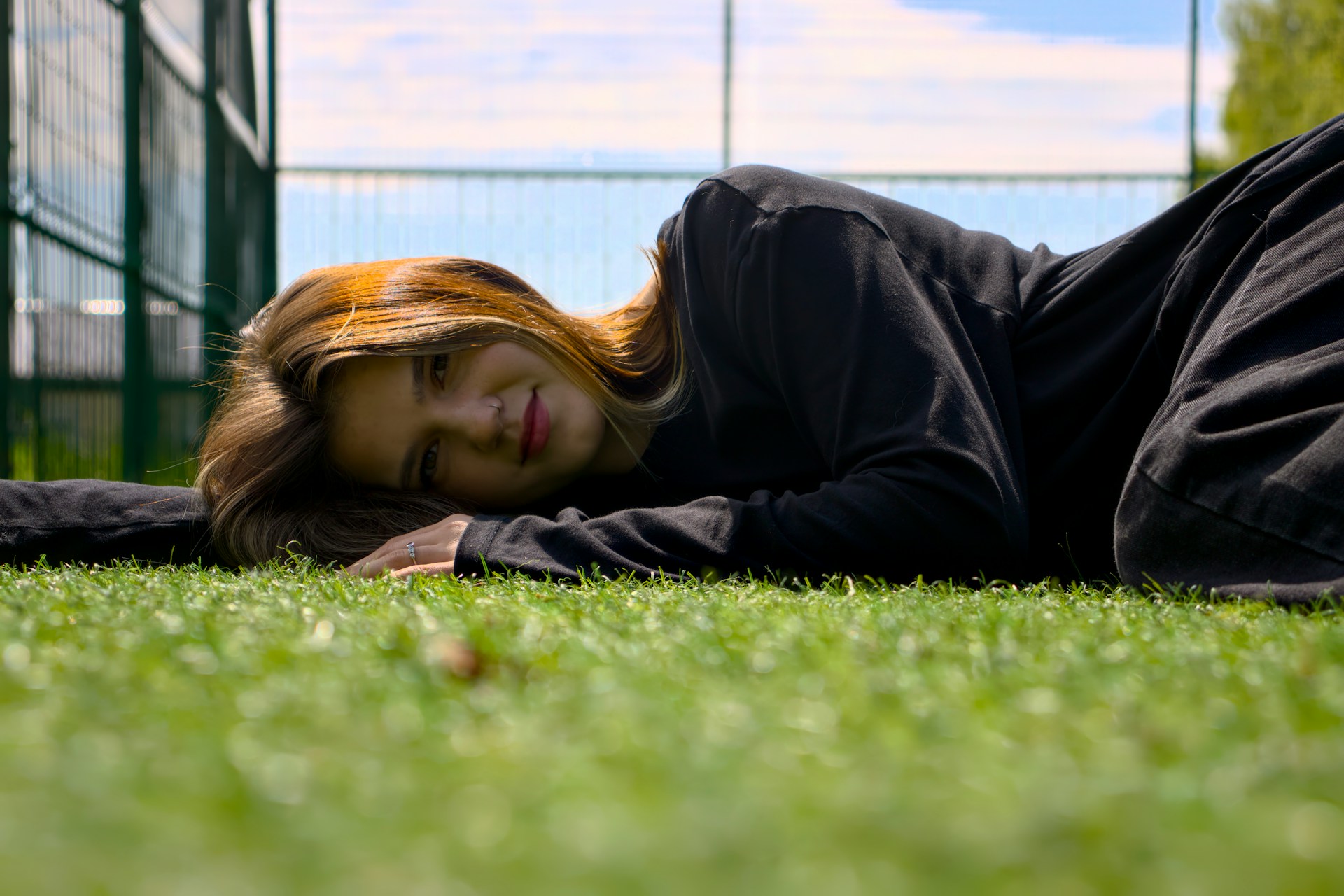
Photo by Mikhail Seleznev on Unsplash
Leave a Reply