By Amirhossein Aldavood (R.Ac)
Reading time: 4–5 minutes
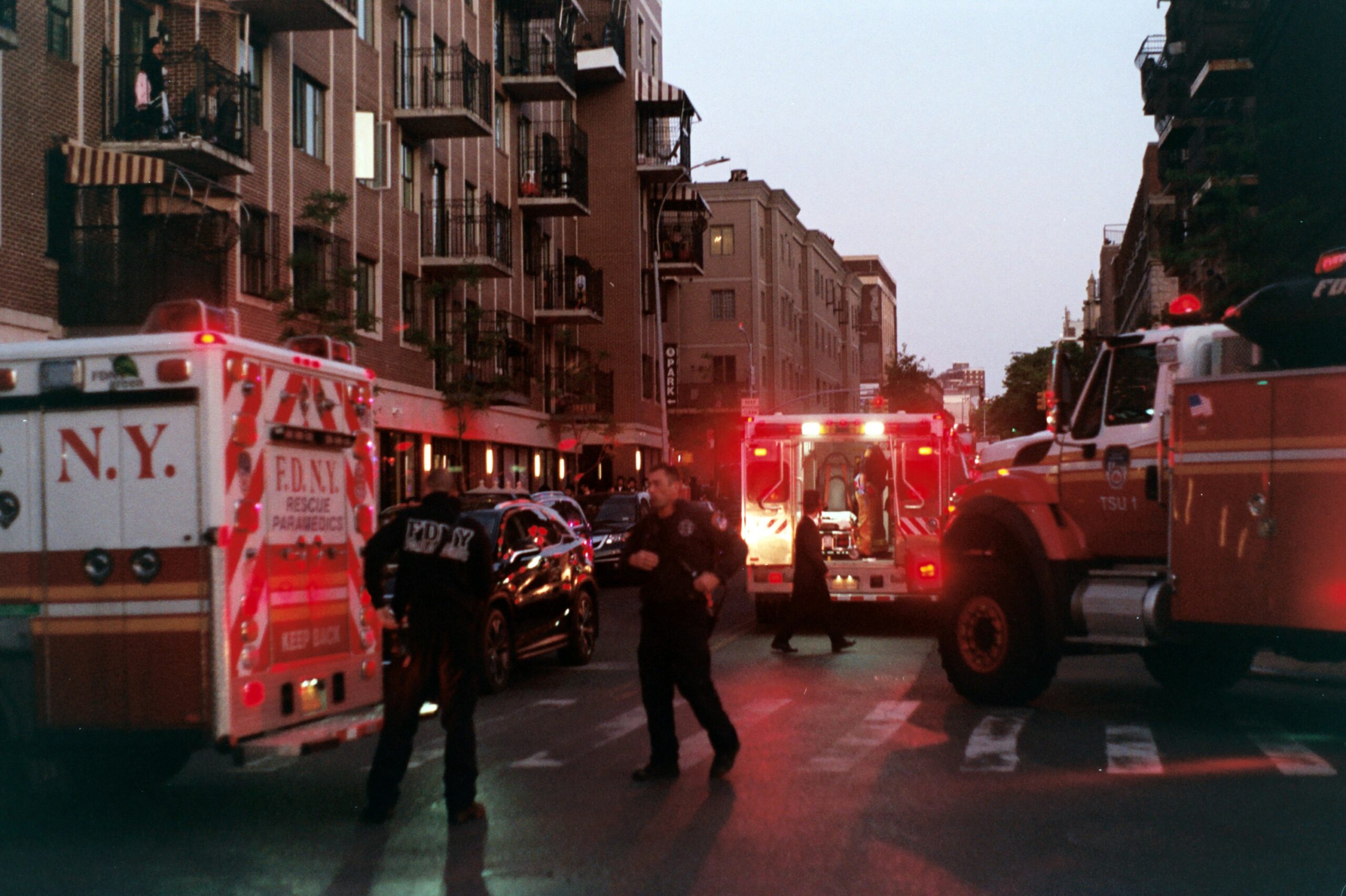
Sometimes life changes in a single moment.
A phone rings.
A car suddenly appears.
A medical test comes back abnormal.
Someone falls at work.
A stroke happens unexpectedly.
A surgery becomes unavoidable.
A diagnosis changes everything.
And honestly… many people remember the exact moment their “before” and “after” life separated.
SUMMARY
Many recovery and rehabilitation journeys begin after sudden medical events such as stroke, injury, surgery, concussion, cancer treatment, fractures, cardiac events, neurological conditions, or severe illness. This article explores the emotional shock, uncertainty, weakness, rehabilitation challenges, and recovery reality many people quietly experience after survival itself.
Survival Is Often Only The First Step
At first, most people only think about survival.
Emergency rooms.
Hospital beds.
Doctors.
Scans.
Surgery.
Waiting.
Fear.
Phone calls.
Family members.
Shock.
And during those early moments, nothing else seems important.
People simply want:
- the bleeding to stop
- the surgery to work
- the heart to stabilize
- the cancer to respond
- the stroke to improve
- the fracture to heal
- or the person they love to survive
Then Recovery Quietly Begins
But eventually, many people leave the hospital.
And honestly… this is often when the harder part quietly starts.
Because suddenly people realize:
- the body feels different
- energy disappears faster
- movement becomes difficult
- speech changes
- coordination changes
- pain remains
- weakness remains
- balance changes
- fatigue becomes overwhelming
- or daily activities no longer feel automatic
And many people begin asking:
“Will life ever feel normal again?”
Rehabilitation Often Becomes A Full-Time Reality
Depending on the condition, recovery may gradually involve:
- physiotherapy
- occupational therapy
- speech therapy
- rehabilitation medicine
- neurological rehabilitation
- pain management
- supportive therapies
- home exercises
- mobility training
- cognitive rehabilitation
- emotional support
- or long-term functional recovery programs
And honestly, many people underestimate how exhausting recovery itself can become.
Not only physically.
Emotionally too.
Recovery Affects Entire Families
One person gets injured.
But often the entire family changes too.
Schedules change.
Finances change.
Responsibilities change.
Stress increases.
Caregiving begins.
Relationships become strained.
And sometimes the emotional exhaustion quietly affects everyone involved, not only the patient.
Recovery Is Rarely Only Physical
Many people recovering from:
- stroke
- concussion
- surgery
- cancer treatment
- fractures
- spinal injury
- neurological illness
- cardiac events
- or severe illness
also experience:
- fear
- frustration
- emotional exhaustion
- anxiety
- uncertainty
- loss of confidence
- loss of independence
- or grief for the life they had before
And honestly, these emotional realities are often discussed much less than the physical ones.
The Human Body Is More Than One System
Modern rehabilitation often involves multiple specialists working together:
- physiotherapists
- occupational therapists
- speech therapists
- physicians
- rehabilitation teams
- nurses
- psychologists
- supportive practitioners
- and family caregivers
Because recovery rarely happens through one single system alone.
The body, the nervous system, emotions, movement, sleep, energy, pain, and daily function are deeply connected to one another.
Maybe this is why recovery often becomes much more complicated than people initially expect.
Continue Reading ?
👉 Recovery Begins After Survival
For many people, surviving an illness, trauma, surgery, or neurological event is only the beginning. The real challenge often starts afterward — when the body, nervous system, emotions, and daily life all begin searching for recovery together.
© 2026 Aldavood Pediatric TCM Clinic — Original educational content and frameworks developed by Amirhossein Aldavood (.R.Ac). All rights reserved.