
By Amirhossein Aldavood (R.Ac)
Reading time: 4–5 minutes
At some point, some people stop feeling overwhelmed.
They stop feeling much of anything at all.
The anxiety that once felt loud becomes quieter.
But not because everything improved.
Because the system became tired.
Emotionally tired.
Mentally tired.
Physically tired.
And eventually, life itself may begin feeling distant.
Gray.
Heavy.
Flat.
For many people, this is one of the most confusing stages of emotional suffering.
Not panic.
Not constant sadness.
Just the quiet feeling of no longer feeling fully connected to yourself anymore.
ABSTRACT
Long-term emotional overload, anxiety, chronic stress, and nervous system exhaustion can sometimes lead toward emotional numbness, depletion, and disconnection. This article explores the quieter side of emotional suffering—the loss of vitality, emotional presence, and inner connection many people experience over time.
When Emotional Exhaustion Becomes Emptiness
Many people expect emotional suffering to always feel intense.
But sometimes, the nervous system eventually becomes too exhausted to remain emotionally reactive in the same way.
People still function.
They still wake up, answer messages, go to work, care for family, and move through responsibilities.
But internally, something feels missing.
Joy feels distant.
Motivation becomes weaker.
The future feels emotionally harder to imagine.
And even things that once brought comfort may stop feeling emotionally meaningful.
Feeling Disconnected from Yourself
One of the hardest parts of emotional depletion is how isolating it can feel.
Some people describe it as:
- emotional numbness
- heaviness
- emptiness
- hopeless fatigue
- loss of connection
- emotional flatness
Others struggle to describe it at all.
They simply know they no longer feel like themselves.
And because many people around them may only notice that they are “quiet” or “tired,” this type of suffering often remains invisible for long periods of time.
The Body Is Often Exhausted Too
Emotional depletion rarely affects emotions alone.
Sleep changes.
Energy disappears.
The body feels heavier.
Recovery becomes slower.
Small tasks begin requiring more emotional effort.
From a holistic perspective, emotional suffering and physical exhaustion often interact continuously with one another.
Modern neuroscience increasingly recognizes these mind-body relationships through research involving chronic stress, nervous system dysregulation, inflammation, trauma, and emotional health.
Traditional Chinese Medicine has historically viewed emotional and physical imbalance as deeply interconnected parts of the same system.
Sometimes People Need More Than Another Label
Many people living with emotional exhaustion eventually begin collecting labels.
Anxiety.
Burnout.
Depression.
Stress.
Overthinking.
Emotional dysregulation.
And while labels can sometimes help describe experiences, they do not always help people feel fully understood.
Especially when their suffering feels larger, deeper, and more connected than a single word alone can explain.
This is often the moment when some people begin searching for a different way of understanding themselves.
Next Article…
Maybe I Don’t Need Another Label… I Need a Different Understanding
Sometimes the goal is not simply to reduce symptoms.
Sometimes the deeper goal is to understand why the mind, body, and emotional system have been struggling for so long in the first place.
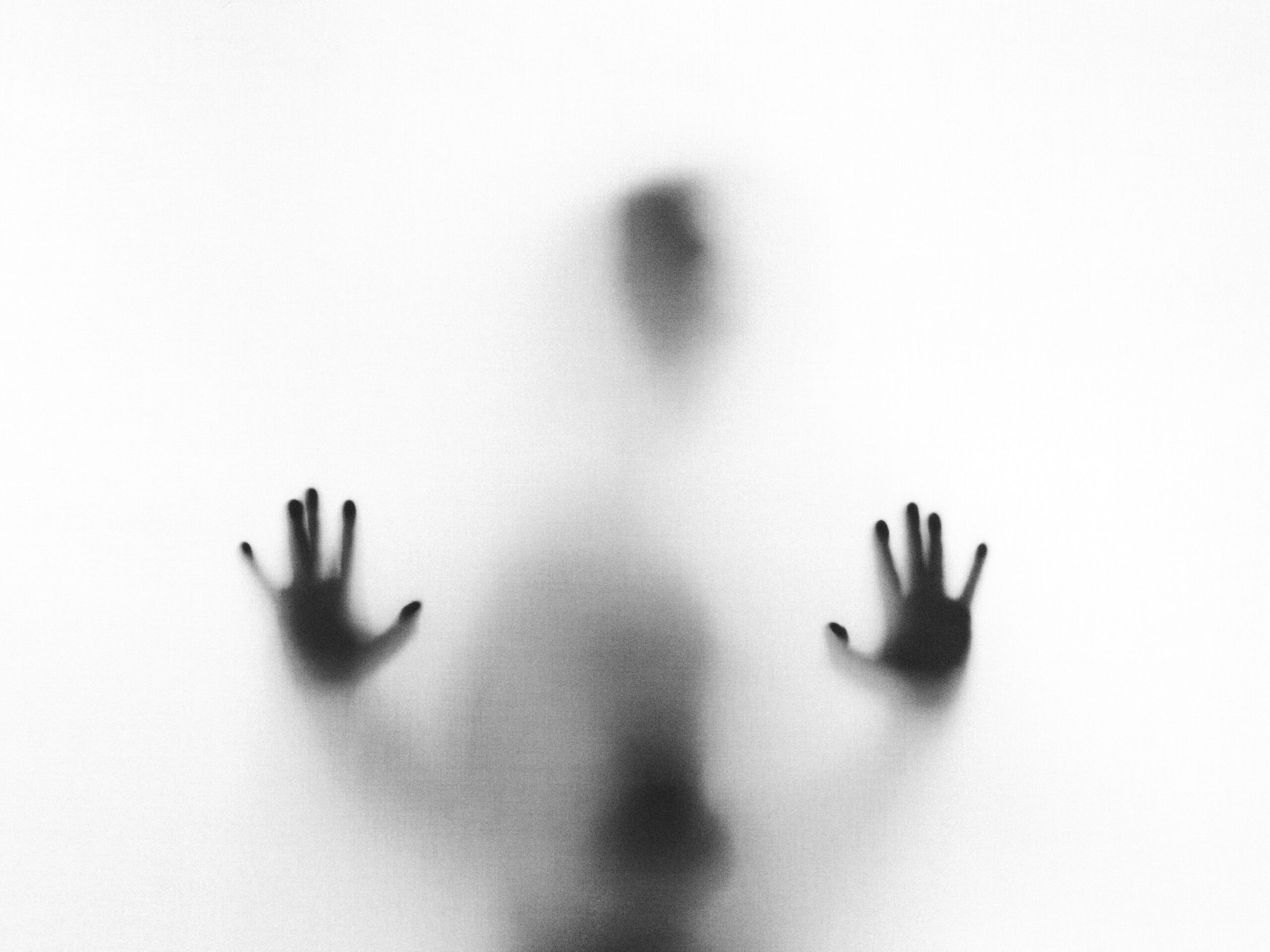
Photo by Stefano Pollio on Unsplash
Leave a Reply