What Is “Traditional Chinese Medicine” or in abbraviation: “TCM”?
Author: Amirhossein Aldavood
Reading time: 2–3 min
Introduction
Traditional Chinese Medicine (TCM) did not begin in a laboratory with petri dishes, It began with observation in the nature and thinking.
Thousands of years ago, physicians in ancient China watched how the human body responded to seasons, emotions, food, and daily life. Over time, they noticed patterns—how sleep changed with stress, how energy shifted with routine, and how the body behaved as a whole rather than in isolated parts.
From these observations, a system gradually formed.
A different way of looking at health
Unlike many modern systems that developed later through laboratory science, TCM grew from lived experience.
It was shaped by simple but meaningful questions:
- Why do certain patterns repeat?
- Why do different changes often happen together?
- Why does restoring balance in one area influence another?
Instead of separating the body into isolated parts, early practitioners began to see it as a connected and responsive system.
How TCM developed over time
TCM evolved over centuries through continuous observation, documentation, and refinement.
Knowledge was recorded, applied in practice, adjusted, and passed on. It was never fixed—it developed gradually as understanding deepened.
Concepts such as balance, internal coordination, and functional relationships became central. While the language used in ancient texts differs from modern scientific terminology, the intention remains clear: to understand how the body maintains stability and how imbalance develops over time.
In recent years, modern research has started to explore elements of this system—particularly practices like acupuncture—and has identified measurable effects on areas such as pain modulation and nervous system activity.
What distinguishes TCM is not only its methods, but its way of seeing—a perspective that looks at the body as an integrated whole.
A simple reflection from nature
Think about the natural rhythm of the seasons.
Spring brings growth and movement. Summer reaches peak activity. Autumn gradually slows things down. Winter becomes a time of rest and conservation.
- Spring → growth and movement
- Summer → peak activity
- Autumn → gradual slowing
- Winter → rest and conservation
None of these phases are problems—they are part of a natural cycle. But if the rhythm is disrupted—if winter feels like summer, or growth continues without rest—imbalance appears.
Ancient practitioners observed these patterns in nature and saw similar rhythms within the human body. They understood that health is not about staying in one state, but about moving smoothly between states in a balanced way.
A quiet conclusion
Traditional Chinese Medicine is not just a collection of techniques—it is the result of centuries of observation and refinement.
It reflects a way of understanding the body that is rooted in balance, rhythm, and connection.
A final thought
When we begin to look at the body the way we look at nature—through patterns, cycles, and relationships—health feels less like something to fix and more like something to support.
This perspective, shaped over thousands of years, still offers a calm and meaningful way to understand the body today.
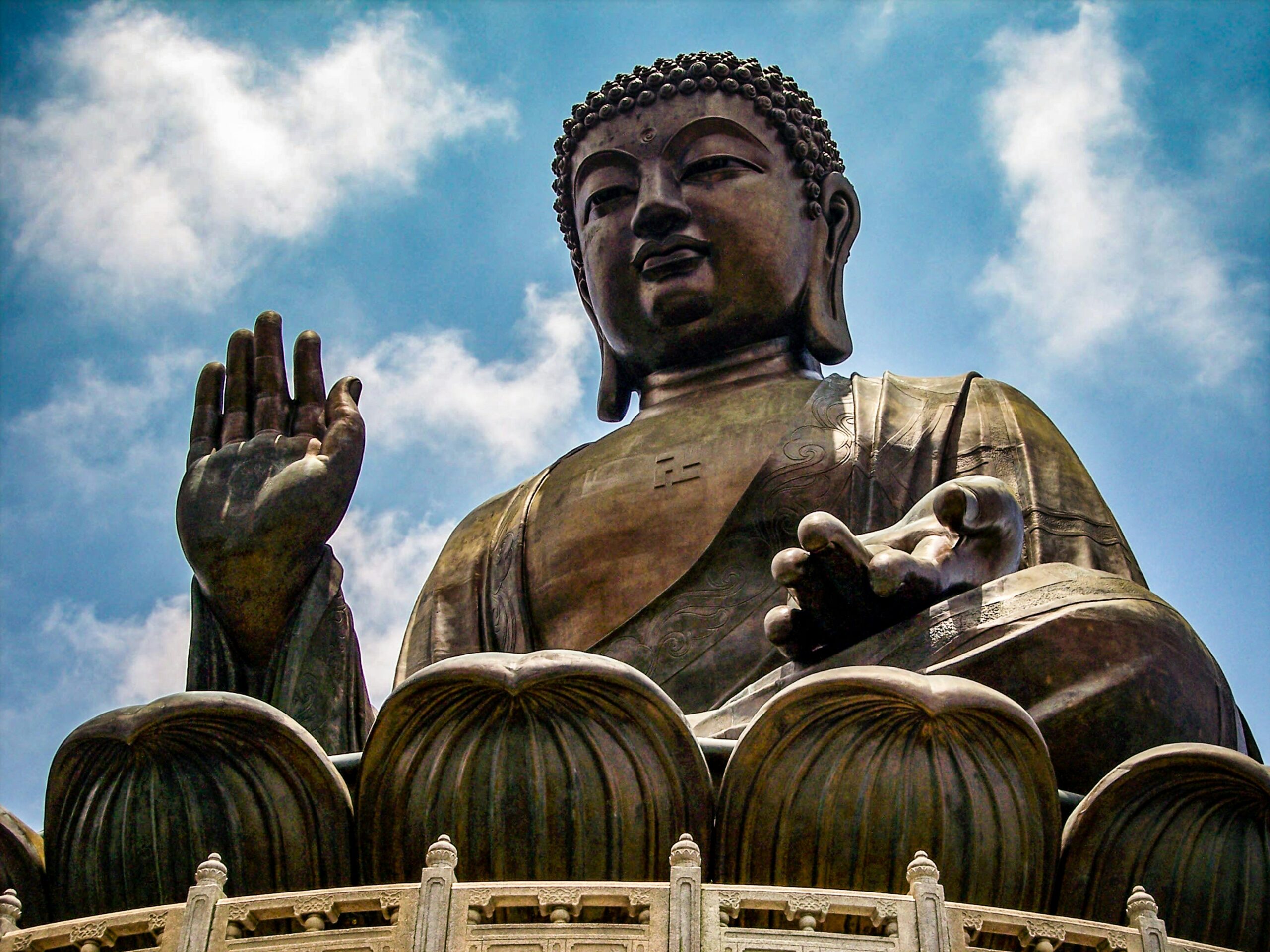
Photo by Joshua J. Cotten on Unsplash
Leave a Reply